September 21, 2025
The Body Remembers
The Body Remembers
The mind forgets. It has to — it's a survival mechanism. The intensity of labor, the overwhelm of transition, the shock of meeting your child — your conscious mind softens these memories within weeks, rounding the edges, smoothing the timeline, making it manageable enough to carry.
But the body remembers everything.
Stored in the bones
Trauma specialists talk about somatic memory — the way intense experiences live in the body long after the mind has filed them away. Birth, regardless of how it unfolds, is one of the most intense physical experiences a human being can have. The body holds it: in the shoulders, in the jaw, in the pelvic floor, in the breath pattern that shifts when you hear a newborn cry.
This is not pathology. It is biology. And it is one of the reasons birth photography can be so profoundly healing.
How images help
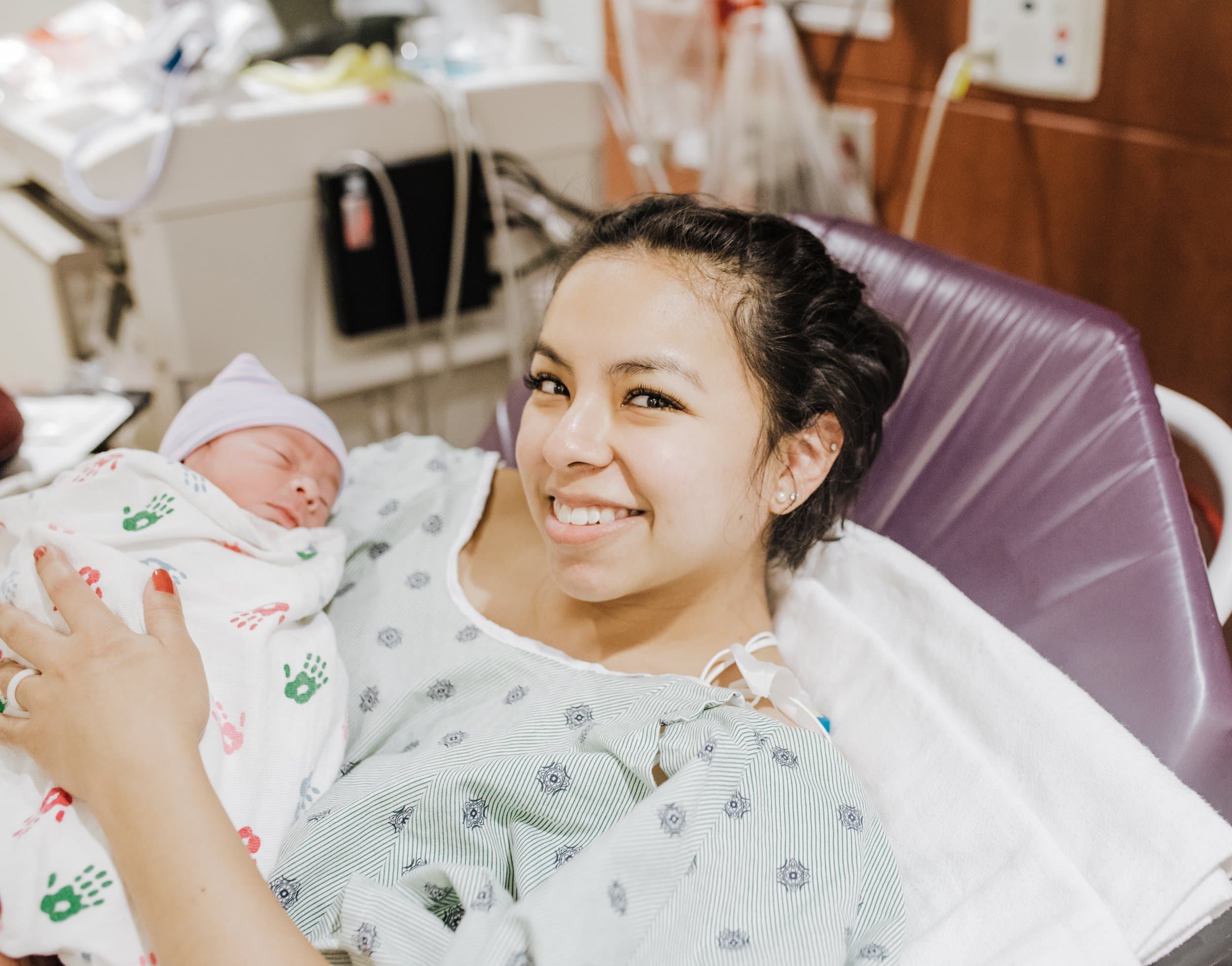
I have watched mothers sit with their birth photographs months or even years later and weep. Not from sadness — from recognition. From the experience of finally seeing, from the outside, what their body went through. The images give them a witness they didn't have in the moment, because in the moment, they were inside it. They were the storm.
The photographs let them stand outside the storm and see its shape.
For families who experienced birth trauma — emergencies, interventions, outcomes that didn't match their plans — this external perspective can be especially powerful. It doesn't erase the difficulty. But it often reveals something the body already knew: you were stronger than you thought. You did more than you remember. You were held.
Why I approach this work gently
I never assume how someone will feel about their birth images. Some families want them immediately. Others need months before they're ready to look. Both responses are healthy. Both are honored.
The body remembers on its own timeline. The images will be there whenever you're ready to meet them.