October 9, 2025
Sacred Spaces
Sacred Spaces
I once photographed a birth in a hospital room that had been transformed so completely I forgot where I was. The overhead fluorescents were off. String lights lined the windowsill. A diffuser filled the air with clary sage. The birth playlist — Bon Iver, Enya, ocean sounds — played softly from a speaker on the nightstand. The medical equipment was still there, but it had receded into the background, and what remained was a space — warm, dim, intentional.
The mother later told me she could feel the room holding her. I believed her.
Environment is not decoration
There is solid research behind what birthworkers have known for centuries: a laboring person's nervous system responds to their surroundings. Bright lights trigger alertness. Cold air triggers tension. Unfamiliar sounds trigger vigilance. All of these responses work against the hormonal cascade that labor depends on — oxytocin, endorphins, the parasympathetic state of surrender.
A sacred space is not about aesthetics. It is about creating the conditions for the body to do its work.
What I've seen work
Darkness, or near-darkness. Warm textiles — a favorite blanket, a worn robe. Familiar scents. Music chosen long before labor began. A locked door. Voices kept low. Permission to make noise. Permission to be still. The presence of people who feel safe, and the absence of everyone else.
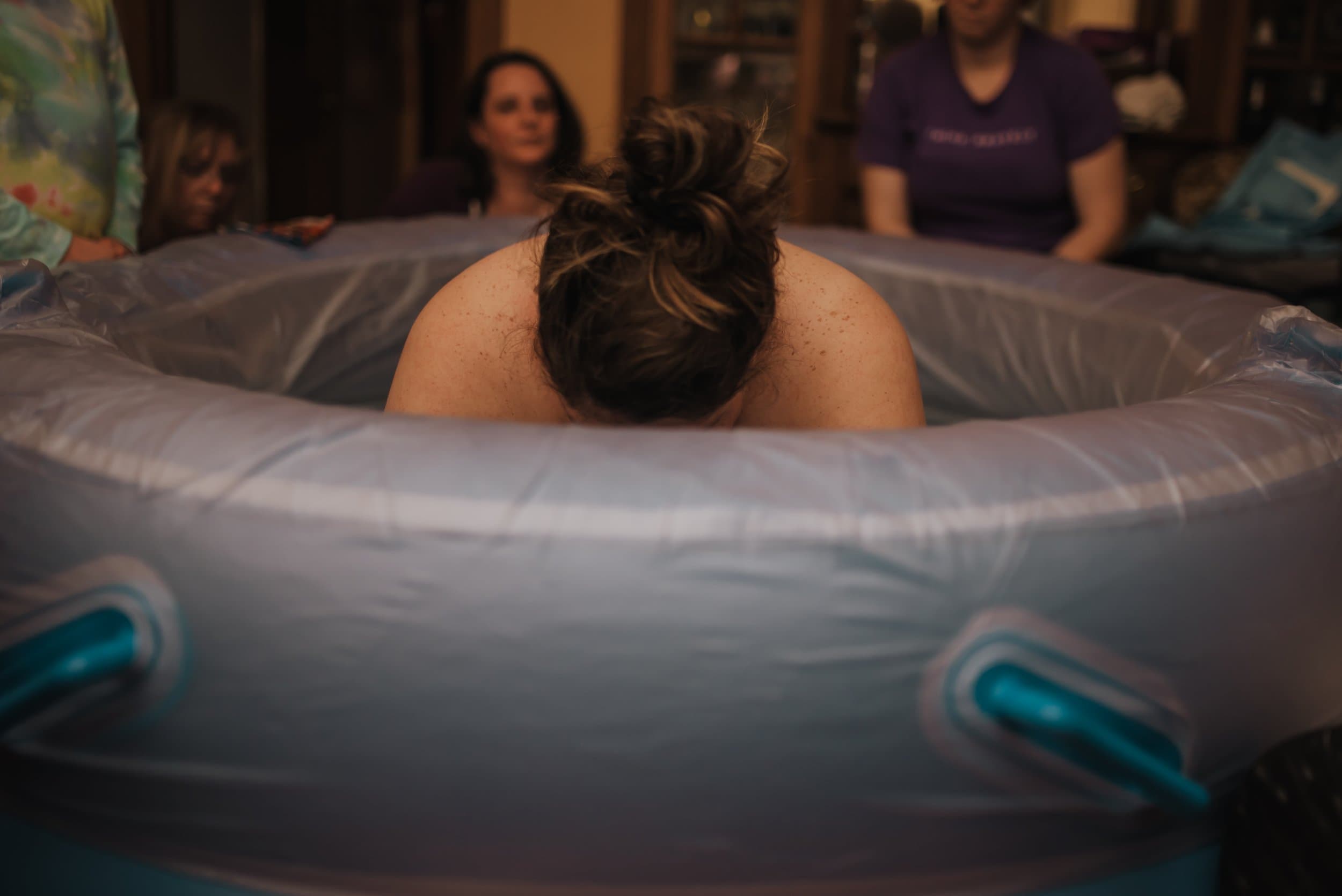
These elements show up in the photographs as atmosphere. You can feel the room in the images, even though you can't hear or smell or touch it. Light and shadow tell the story of a space that was held with care.
Why I document the space
Because the room is a character in your birth story. The candle on the shelf. The birth affirmation card propped against the lamp. The window where dawn broke while you pushed. These details matter. Ten years from now, they will bring you back to that room with a vividness that surprises you.
The space held you. The photographs hold the space.